
The Fibonacci sequence is an infinite series of numbers where each number is the sum of the two preceding ones, typically starting with 0 and 1. It begins with 0, 1, 1, 2, 3, 5, 8, 13, 21, 34, 55, 89, 144, and so on.
The sequence is defined by the formula:
Fn = Fn-1 + Fn-2
Where:
- Fn is the current term.
- Fn-1 is the term just before it.
- Fn-2 is the term before that.
As the sequence progresses the ratio between two consecutive numbers get closer to 1.61803. This is known as the golden ratio or Phi(Φ).
The Fibonacci sequence is easily in the natural world, often because it provides the most efficient physical arrangement for space or growth. Common examples include:
Biology: The branching of trees, the spiral of snail shells, and the chambered nautilus often look like the fibonacci spiral.
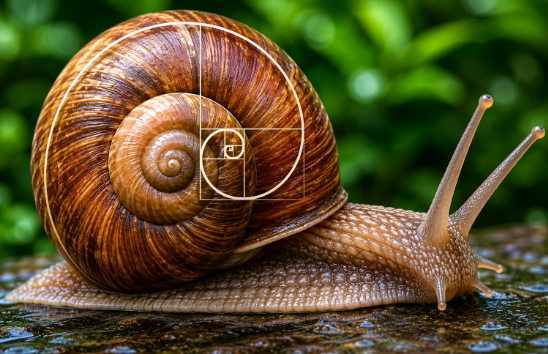
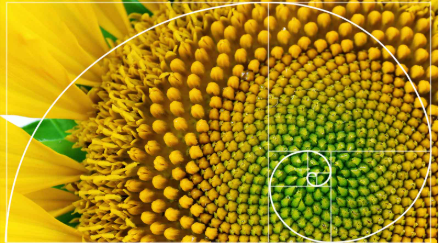
Petals and Seeds: The arrangement of sunflower seeds, pinecones, and the number of petals on many flowers (like lilies or buttercups) frequently correspond to Fibonacci numbers.
Other examples of this sequence can be seen in galaxies like the Milky way galaxy where we live.
The Fibonacci sequence can be used in our everyday life for purposes like:
Finance:
Investors and market analysts use a technique called Fibonacci Retracement to make investment decisions.
- By dividing consecutive Fibonacci numbers, traders find ratios.
- These percentages are plotted on stock charts to estimate potential levels of “support” (where a falling stock might bounce back up) and “resistance” (where a rising stock might stop).
Computer Science:
Engineers and software developers rely on Fibonacci numbers to organize and retrieve data.
- Data Structures: A Fibonacci heap is a specialized data structure used to prioritize tasks in network routing and shortest-path algorithms, making computer operations run much faster.
Art:
The Fibonacci sequence is heavily tied to the Golden Ratio, 1.618, which naturally appeals to human eyes.
- Design & Architecture: Artists, photographers, and architects utilize the “rule of thirds” and spiral proportions to compose visually balanced designs.
While the sequence is named after the Italian mathematician Leonardo of Pisa (later known as Fibonacci), who introduced it to Western mathematics in 1202 in his book Liber Abaci, the sequence was actually known by the Indian mathematicians earlier.
This sequence can also be drawn. First outline a one by one square. As the next number in the sequence is one, outline another one by one square.

Then draw a 2-by-2 square

Then draw a 3-by-3 square
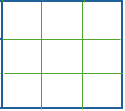
Then draw a 5-by 5-square
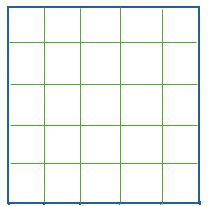
Then draw a 8-by-8 square
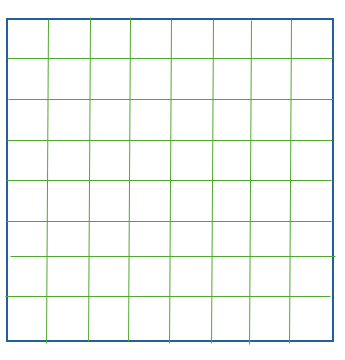
And then draw them alined with each other
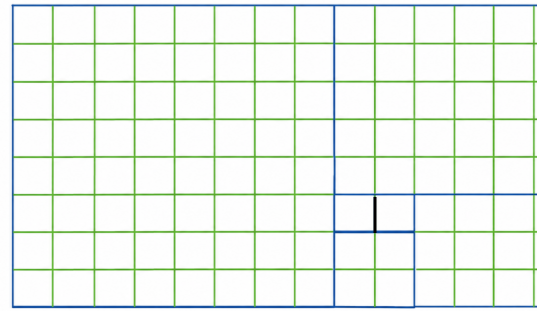
now connect all the squares with a line that is a spiral and it should look something like this:
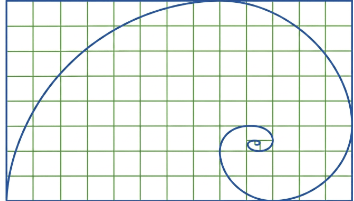
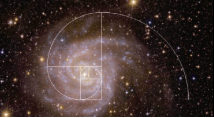
Fibonacci Sequence seen in the Milky Way
Fibonacci Sequence seen in a flower
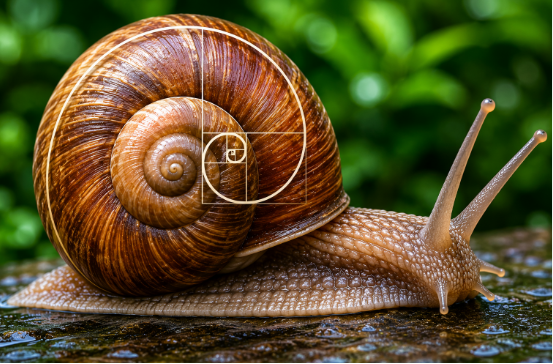
The fibonacci sequence in a snail shell


Leave a Reply