B cells and T cells are the two main types of white blood cells (lymphocytes) that make up your adaptive immune system. B cells mature in the bone marrow and produce antibodies that target invading pathogens like viruses whereas T cells mature in the thymus and directly destroy infected cells or coordinate the overall immune response.
B-cells:
They originate and mature in the bone marrow. They are primarily responsible for humoral immunity- the aspect of adaptive immunity mediated by antibodies secreted by B cells. These type of cells identify free unprocessed antigens(any substance—such as a protein, sugar, or lipids that your immune system identifies as foreign or harmful) and release anti bodies(a specialized protein produced by the immune system’s B cells).
The key subtypes are:
Plasma antibodies: Release millions of antibodies in the blood stream to neutralize pathogens- the process where the immune system disables infectious agents like viruses, bacteria, or toxins so they can no longer infect or damage healthy cells.
Memory B Cells: These cells “remember” specific pathogens and start a rapid defense against the invading pathogen when it enters the body again.
T Cells:
These type of cells originate in the bone marrow but mature and become specialized in the thymus. These cells are responsible for cell mediated immunity. They do not produce antibodies, but instead destroy infected host cells directly or send chemical signals to coordinate other immune cells to stop the spreading of unwanted pathogens in the body.
Key Subtypes:
Helper T Cells (CD4⁺): These type of T-cells manage and control the immune system. They release cytokines(small, specialized proteins secreted by immune and non-immune cells that act as essential chemical messengers) that activate other immune cells, including B cells and killer T cells.
Cytotoxic T Cells (CD8⁺): These are are specialized white blood cells known as the “killer” cells that hunt down and destroy cells infected with viruses or cancer.
Regulatory T Cells: Modulate the immune system to prevent it from attacking the body’s own tissues (preventing autoimmune diseases).
Both B and T cells generate long-lived memory cells, which provide the foundation for long-term immunity and how vaccines work.
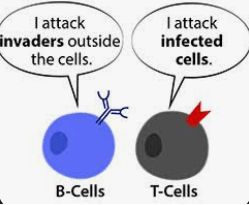
A simple depiction of the two cells

 thethinkingatom
Leave a Reply