
Sonoluminescence is a natural phenomenon where sound waves create microscopic bubbles in a process called cavitation. These bubbles expand and collapse to create short flashes of light that only last 35 – 100 picoseconds(trillionths of a second) and also the compressed gases create temperatures comparable to the sun- around 15000 kelvin. Adding noble gases like argon, helium, or xenon into the bubbles enhances the light output. There are 2 types of sonoluminescence:
Single-bubble sonoluminescence: A bubble is trapped in a liquid with sound and is made to pulsate giving out light every sound wave cycle.
Multi-bubble sonoluminescence: Multiple bubbles are compressed with sound making multiple bubbles emit light, creating a broader light spectra(the distribution of the intensity of radiation, light, or particles as it varies with wavelength, frequency, or energy).
Uses of sonoluminescence:
Ultrasonic Cleaning: Industrial parts, jewelry, and medical instruments are cleaned using sonoluminescence. Using sound waves blast away the dust, grease and other particles.
Sonochemistry (Chemical Reactions):The extreme temperatures (over 10,000 K) and pressures inside the collapsing bubbles in sonoluminescence can break chemical bonds.This is used to synthesize nanomaterials, accelerate challenging chemical reactions, and degrade hazardous environmental pollutants.
Sonoluminescence can also be used in the future for purpose in the field of nuclear study and radioactivity to trigger nuclear fusions. It also remains as a future use of physics as it can produce immense speeds that can accelerate particles and along with star-like temperatures which we could use to find out how matter behaves in these conditions.
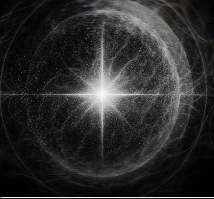
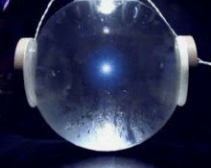
Images of experiments showing sonoluminescence


Leave a Reply